

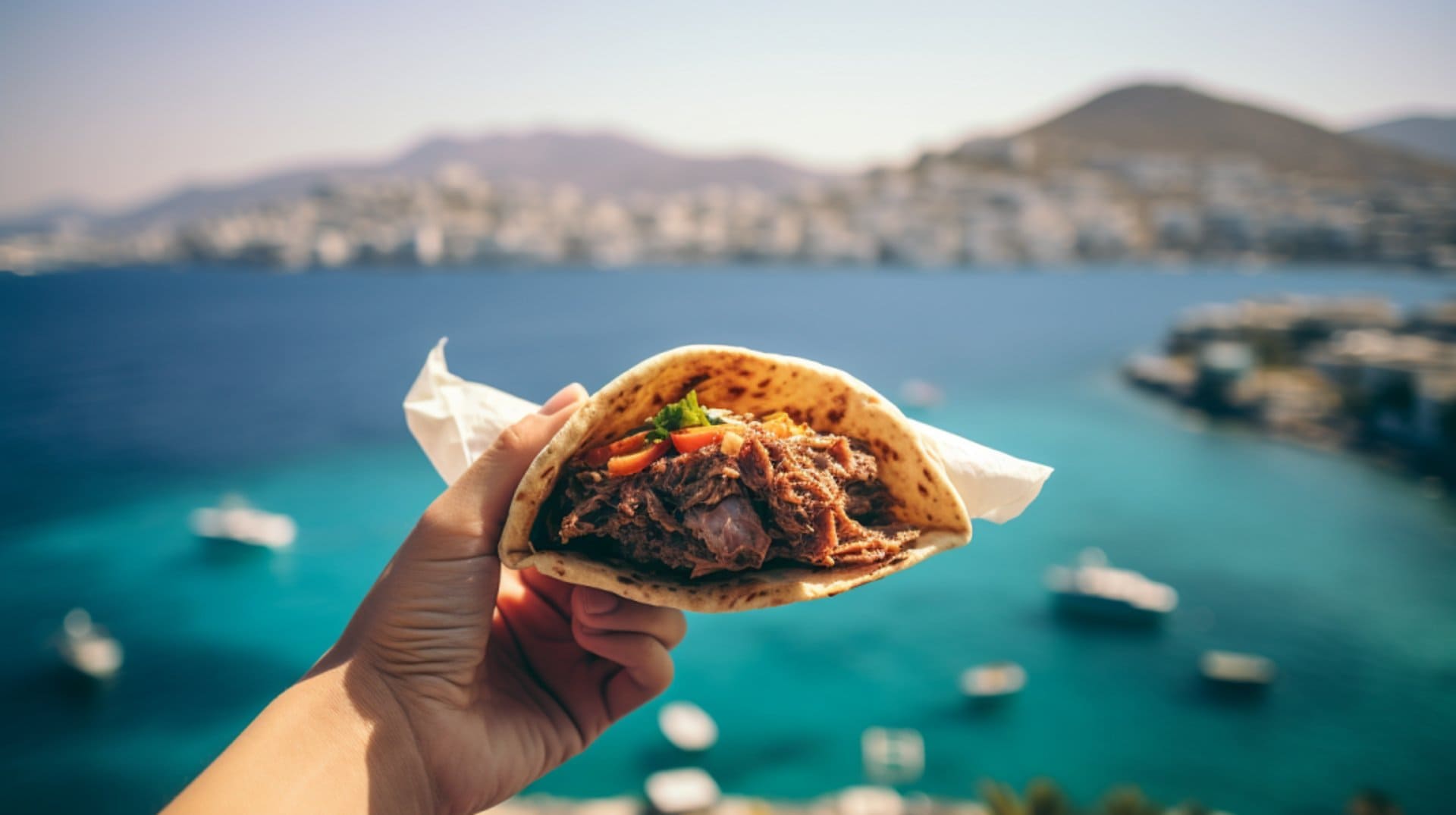
Turkey stands out not only for its historical and natural attractions but also for possessing one of the richest culinary cultures in the world. The Anatolian geography, carrying the traces of thousands of years of civilizations, has created a unique gastronomic heritage through the combination of different cultures, climates, and lifestyles. From the rugged shores of the Black Sea to the olive-scented streets of the Aegean, from the spice-rich tables of Southeastern Anatolia to the fresh seafood of the Mediterranean, this culinary journey offers a different experience in every city.
Although Turkish cuisine is often thought to consist only of kebabs, döner, and baklava, it is actually one of the most comprehensive cuisines in the world, with hundreds of regional dishes, dozens of cooking techniques, and recipes passed down through generations. For gastronomy enthusiasts, Turkey is essentially a vast open-air kitchen waiting to be explored. Each region has its own unique ingredients, cooking methods, and serving traditions. This makes the country one of the world’s most important destinations for gastronomic tourism.
Gaziantep: Turkey’s Gastronomy Capital
When it comes to flavor in Turkey, Gaziantep is among the first cities that come to mind. Included in UNESCO’s Creative Cities Network in the field of gastronomy, Gaziantep attracts attention not only with its kebabs but also with its hundreds of different dishes.
Baklava culture in the city is preserved as a tradition in itself. Paper-thin layers of pastry combined with high-quality Antep pistachios and specially produced butter create flavors that have gained worldwide recognition. In addition, dishes such as Ali Nazik, Beyran Soup, Simit Kebab, Yuvalama, and Katmer are among the must-try specialties for gastronomy enthusiasts.
In Gaziantep, food is not viewed merely as a necessity but as a cultural experience. While walking through the city’s historic bazaars, the aroma of spices and the warm flavors emerging from stone ovens create unforgettable moments for visitors.
Hatay: Where Civilizations Meet at the Table
Hatay cuisine represents one of Turkey’s oldest and richest gastronomic traditions. Having hosted numerous civilizations over the centuries, the city has reflected this cultural diversity in its cuisine.
Although künefe is the first dish that comes to mind when Hatay is mentioned, the city offers much more. Tray Kebab, Paper Kebab, hummus, zahter salad, oruk, and spicy bread are among the region’s standout specialties. The city possesses an exceptionally rich culinary culture, particularly regarding the use of spices.
In Hatay, dining tables are an important part of the culture of sharing. Appetizers, hot dishes, and desserts come together to create long-lasting gastronomic experiences. For this reason, the city is considered one of Turkey’s most special culinary routes.
Adana: The True Capital of Kebab
Adana cuisine is one of the strongest representatives of meat culture. The world-famous Adana kebab has become the symbol of the region’s gastronomic identity. Prepared with specially minced meat and traditional cooking techniques, this delicacy attracts thousands of gastronomy tourists to the city every year.
However, Adana cuisine is not limited to kebab alone. Local specialties such as şırdan, analı kızlı, içli köfte, yüksük soup, and bici bici are also important elements of the region’s culinary culture.
The lively atmosphere in kebab restaurants, especially during summer evenings, makes the gastronomic experience in Adana even more special. The city offers not only flavor but also a vibrant social culture.
Trabzon: The Unique Flavors of the Black Sea
Considered the heart of Black Sea cuisine, Trabzon has a distinctive gastronomic culture where natural products take center stage. The region’s cool climate and fertile lands provide unique ingredients for its cuisine.
One of the first dishes that comes to mind when Trabzon is mentioned is undoubtedly kuymak. Also known as mıhlama, this special dish is prepared with butter, cornmeal, and the region’s famous cheeses. In addition, Akçaabat meatballs, black cabbage soup, and anchovy rice are among the local specialties that should definitely be tried.
Consumed in the natural atmosphere of the Black Sea region, these dishes offer visitors not just a meal but also a cultural experience.
İzmir and the Light Flavors of Aegean Cuisine
The Aegean Region is home to one of Turkey’s healthiest and lightest culinary traditions. Olive oil, fresh herbs, and seafood define the gastronomic character of the region.
In İzmir, breakfasts that begin with boyoz and gevrek can evolve into diverse culinary experiences throughout the day. Artichoke dishes, stuffed zucchini blossoms, herb-based appetizers, and seafood are among the cornerstones of Aegean cuisine.
In recent years, the developing gastronomy culture in destinations such as Alaçatı and Urla has made Aegean cuisine more visible on an international level. Menus prepared with ingredients sourced from local producers offer visitors natural and authentic flavors.
Kayseri: The Master of Pastries and Dough-Based Dishes
Kayseri cuisine is one of Turkey’s most remarkable gastronomic centers, especially known for its pastry culture. Mantı, the city’s signature dish, is considered one of the Turkish specialties recognized around the world.
The most distinctive feature of Kayseri mantı is its small size and the labor-intensive preparation process. In addition, the city is one of Turkey’s leading centers for the production of pastırma and sucuk.
Yağlama and nevzine dessert, frequently consumed during the winter months, are also important representatives of Kayseri cuisine. Thanks to this diversity, the city is regarded as a must-visit destination for gastronomy enthusiasts.
Bursa: The Legacy of Ottoman Palace Cuisine
As one of the first capitals of the Ottoman Empire, Bursa preserves its historical heritage through its cuisine. Although the city is best known for İskender kebab, its gastronomic richness extends far beyond that.
Pide meatballs, candied chestnuts, tahini pide, and milk helva are among Bursa’s standout flavors. Gastronomy tours through the historic inns district offer visitors both cultural and culinary experiences.
Many recipes inherited from Ottoman cuisine are still prepared using traditional methods in Bursa’s restaurants and served to guests today.
Mardin: The Culinary Treasure of Mesopotamia
Mardin cuisine is one of the special culinary traditions that carries thousands of years of Mesopotamian gastronomic heritage into the present day. The use of spices, meat dishes, and regional recipes define the character of the region.
Kaburga dolması, sembusek, ikbebet, alluciye, and harire dessert are among Mardin’s most beloved dishes. Gastronomic explorations through the city’s historic stone streets provide visitors with unique cultural and culinary experiences.
The culinary tradition shaped by centuries of coexistence among different cultures has made Mardin one of Turkey’s most authentic gastronomic destinations.
Discovering Turkey Through Its Street Food
Turkey’s gastronomic culture is not limited to restaurants. Street food is also an important part of the experience. Flavors such as fish sandwiches in Istanbul, kumru in İzmir, kebab with şalgam in Adana, candied chestnuts in Bursa, and butter-rich kuymak in Trabzon represent the meeting point between local culture and daily life.
Street food is considered one of the most effective ways to understand the character of a city. These flavors are not merely food; they also reflect the lifestyle and cultural identity of the region.