

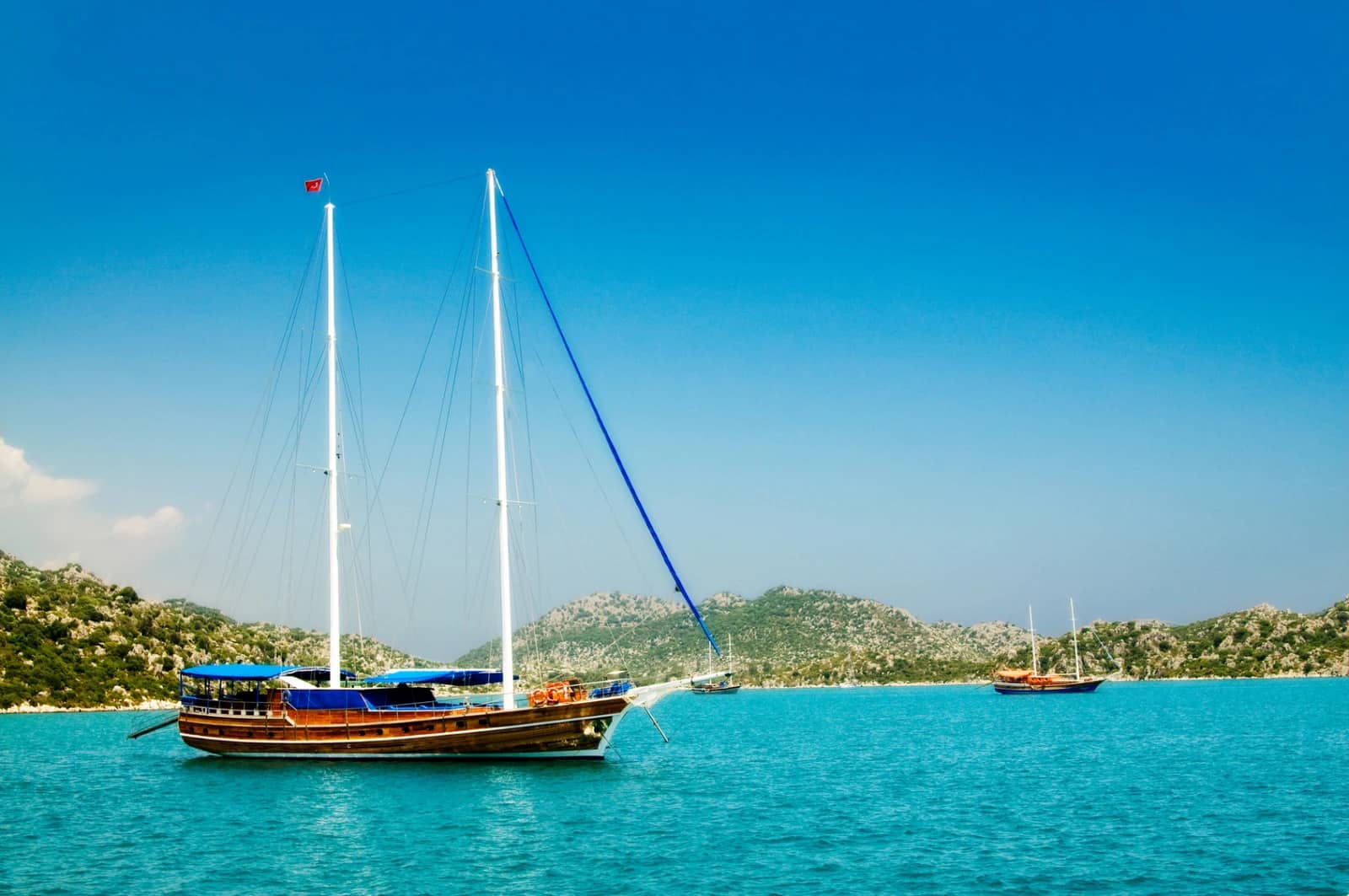
The sea has always been one of the most important natural elements, offering both exploration and peace to humanity throughout history. Especially during the summer months, one of the most special experiences for holidaymakers who answer the call of turquoise waters is the “blue cruise.” This holiday concept, which emerged along Turkey’s Aegean and Mediterranean coasts and has gradually become popular worldwide, offers a travel experience that is immersed in nature, free, and luxurious.
A blue cruise is a sea holiday carried out on boats such as gulets, yachts, or catamarans, allowing travelers to explore different coves, islands, and coastal towns. Coves where swimming breaks are taken during the day, calm harbors anchored in the evenings, and peaceful moments spent in the middle of the sea make this experience completely different from other types of holidays. In this guide, you will explore in detail what a blue cruise is, how to plan one, and how to make the most of this unique vacation.
What is a Blue Cruise? A Sea-Based Holiday Culture
A blue cruise is a type of sea holiday conducted on a boat, visiting different coves along a specific route. These journeys usually last between a few days and a week, offering guests the chance to swim, explore, and relax at a different cove each day.
This style of holiday is quite different from classic hotel vacations because, on a blue cruise, both accommodation and travel take place in the same location—the boat. You can wake up and swim in a crystal-clear cove in the morning, travel to another island during the day, and have dinner at a different harbor while watching the sunset in the evening.
In Turkey, the most popular starting points for blue cruise routes are regions such as Bodrum, Marmaris, Fethiye, and Göcek. Thanks to their countless hidden coves and natural beauty, these areas are indispensable routes for sea enthusiasts.
History of the Blue Cruise
The concept of the blue cruise dates back to the mid-20th century. The first blue cruises in Turkey were boat trips along the Bodrum coast, undertaken by figures from the literary and art worlds. These trips gradually evolved into a culture and promoted the exploration of the Aegean coasts.
Initially conducted on small fishing boats, these journeys have now turned into a prestigious holiday option performed on luxurious gulets and modern yachts. However, the core spirit remains the same: a calm, nature-respecting, and discovery-filled sea journey.
Best Routes for a Blue Cruise
Blue cruise routes generally focus on Turkey’s Aegean and Mediterranean coasts. These routes are notable both for their natural beauty and historical richness.
One of the most popular routes is the Bodrum – Gökova Gulf line, famous for its turquoise-water coves, pine forests, and peaceful harbors. Historical and natural sites such as Cleopatra Island are also located along this route.
Another popular route is Fethiye – Göcek – Kekova, known for its clear waters, sunken city ruins, and hidden coves. The dozens of islands and coves around Göcek enrich the blue cruise experience even further.
Routes departing from Marmaris offer a broader exploration opportunity, covering both Turkish coasts and Greek islands.
How to Plan a Blue Cruise
Planning a blue cruise starts with choosing the right boat and route. Factors such as the duration of the trip, number of participants, and budget play a significant role in planning.
Blue cruises are usually organized as weekly charters, visiting different coves along the predetermined route. However, shorter 3–4 day programs are also possible.
When selecting a boat, details such as the number of cabins, the size of the vessel, offered services, and crew experience should be considered. Most gulet charters include professional crew members such as a captain, chef, and sailor.
Types of Boats Used on a Blue Cruise
When talking about a blue cruise, gulets are the first type of boat that comes to mind. Known for their traditional wooden designs, gulets provide a comfortable journey with spacious decks and well-equipped cabins.
In addition to gulets, motor yachts and catamarans are also popular options for blue cruises. Motor yachts allow faster travel, while catamarans are noted for their wide living spaces and stable structures.
The style of the journey also influences boat choice. Those seeking a more traditional and calm experience generally prefer gulets, while travelers looking for a modern and fast trip may choose motor yachts.
Daily Life on a Blue Cruise
Days on a blue cruise usually start with sunrise. Waking up in a quiet cove and swimming in the morning is one of the most enjoyable parts of this experience.
After breakfast, the boat moves toward the next cove. During the day, activities such as swimming breaks, sunbathing, water sports, and nature walks can be enjoyed.
In the evening, the boat usually anchors at a peaceful harbor or cove. Dinner at sunset is one of the most romantic and enjoyable moments of a blue cruise.
Activities on a Blue Cruise
A blue cruise is ideal not only for relaxation but also for engaging in various activities.
Swimming and snorkeling are among the most popular activities. Exploring the underwater world in clear waters is highly enjoyable. Some boats also provide equipment for kayaking, paddleboarding, or other water sports.
It is also possible to take short nature walks or explore historical ruins in the visited coves. Exploration in regions with ancient cities turns the blue cruise into a cultural experience as well.
What to Eat on a Blue Cruise
One of the most enjoyable aspects of a blue cruise is the meals served on the boat. Most boats have a professional chef, and meals are prepared daily with fresh ingredients.
Menus are primarily Mediterranean, featuring olive-oil-based mezes, fresh seafood, salads, and grilled dishes. Fresh fish and seafood are indispensable highlights of blue cruise dining.
Dinner served on the deck at sunset provides an unforgettable experience due to both the view and the atmosphere.
Best Time for a Blue Cruise
The ideal period for a blue cruise is generally between May and October, when weather and sea conditions are most suitable.
June and September are periods with fewer crowds and very favorable weather, which is why many experienced sea lovers prefer these months for their blue cruises.
Why is the Blue Cruise So Popular?
The main reason for the popularity of blue cruises is the sense of freedom they provide. Waking up in a different cove each day, being immersed in nature, and escaping the stress of city life makes this holiday unique.
Another advantage is that it offers a private and personal vacation experience instead of crowded hotels. This makes it an ideal choice, especially for groups of friends and families.
How Much Time Should You Allocate for a Blue Cruise?
To fully enjoy the blue cruise experience, it is generally recommended to allocate at least 4–7 days. During this time, many different coves can be explored, and one can adapt to the rhythm of sea life.
Shorter programs are possible, but a weekly blue cruise provides the opportunity to experience this journey more comprehensively.
Days spent in the middle of the sea, swimming breaks in calm coves, and evenings under the stars make a blue cruise a once-in-a-lifetime holiday experience.